Field Notes 01 — Accessibility & Experience
Accessible on paper. Different in practice.
Chonasit (Scott) Garpot —
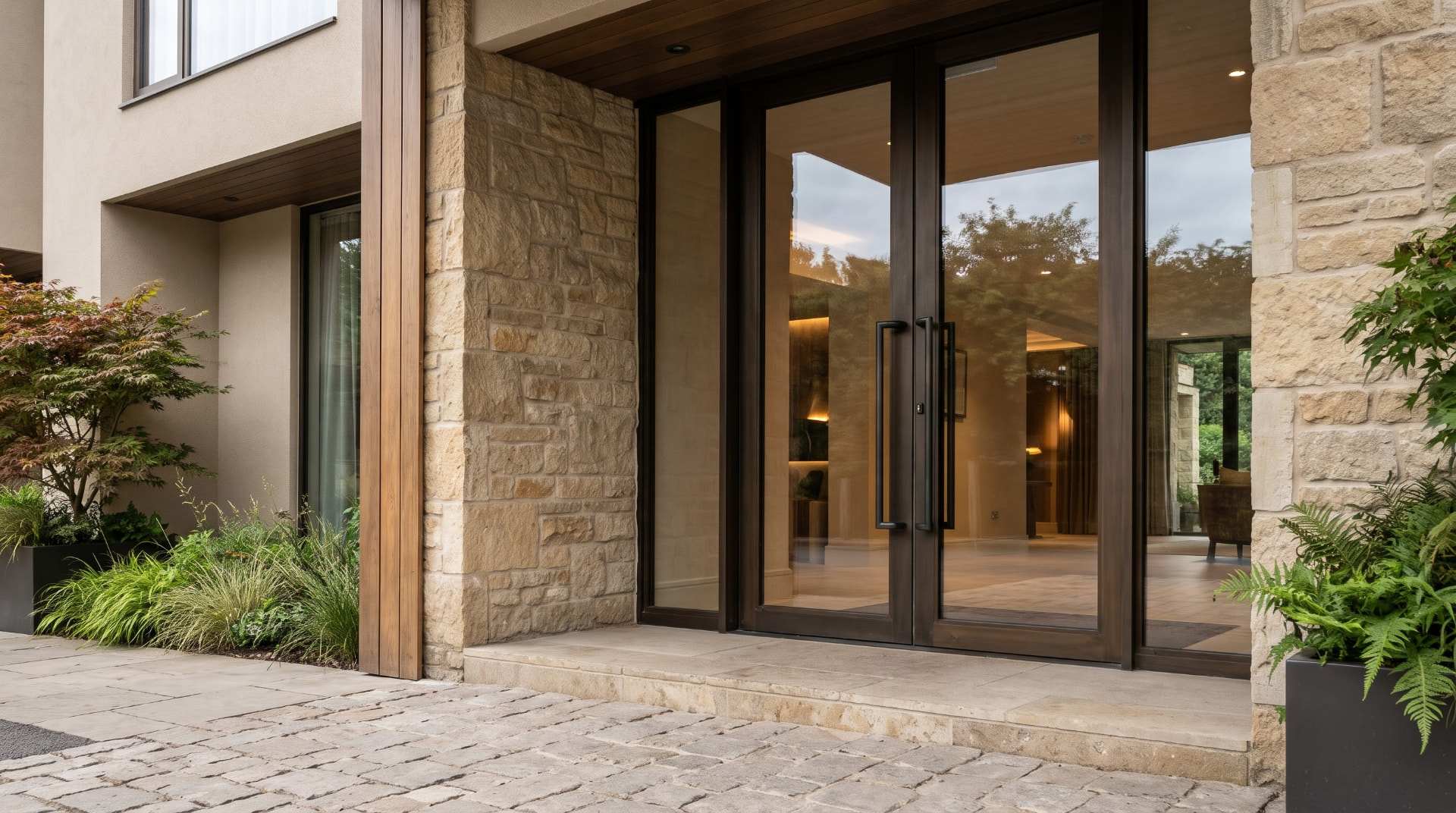
A hotel says it has accessible rooms. A shopping mall has wheelchair signs. An office building has a ramp.
Sounds fine, right?
But when you actually get there, it's sometimes a different story.
The accessible room might have a bathroom that's difficult to get into. The shower might have grab bars but no seat. The ramp might be too steep to use safely. Or the accessible restroom has a heavy door that you can't open without someone helping.
I've come across these situations more often than I expected.
Before you even arrive
These days, whenever I book a hotel or visit somewhere new, I spend quite a bit of time checking things most people probably wouldn't think twice about.
I look at entrance photos. I check whether there's a step at the doorway. I try to find pictures of the bathroom and shower. Sometimes I'll email the property just to confirm a few details.
And even after all that, I don't always know what I'm going to find when I get there.
It's not exactly how you want to start a trip.
What Japan reminded me
I recently spent two weeks in Japan, visiting Tokyo and Sendai. It was my first international trip since my mobility changed.
Alongside the personal trip, I wanted to use the opportunity to explore how Japan approaches accessibility, universal design, and barrier-free environments. That included looking at how hotels and other properties accommodate guests with mobility challenges, as well as experiencing public transportation and everyday spaces firsthand.
There were things that worked extremely well. The assistance I received on the trains, for example, was well organized and made traveling between cities much easier. Being able to use my wheelchair throughout much of the journey gave me a better sense of how thoughtful planning can make getting around easier.
But there were also everyday challenges. Sloped sidewalks, raised entrances, and steep ramps meant I still had to be careful about where I went and how I approached certain places.
A few centimeters might not seem like much, but when you're using a wheelchair, they can determine whether you can get into a shop or restaurant at all.
This trip gave me plenty to think about, both personally and through the work I'm doing with Arrival.
I'll be sharing a more detailed look at Japan in a future Field Note, including what worked, what didn't, and what hotels, businesses, and property operators here in Thailand might be able to learn from it.
There's more to accessibility than a checklist
I spent much of my career working with brands and looking at customer experiences. Now I'm experiencing some of those same environments from a wheelchair.
And I've realized how much gets missed.
It's not always about major renovations. Sometimes it's a doorway, a missing photograph on a hotel website, unclear information, or staff who aren't sure how to help.
These are things businesses can look at and improve.
That's one of the reasons I started Arrival.
I want to help businesses understand what visitors actually encounter, not just what a floor plan or accessibility checklist tells them.
Because there's a big difference between saying a place is accessible and making sure people can actually use it.